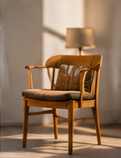
The first thing to notice here is not the appearance. It is the sequence of decisions that makes the scene possible.
Start with seat temperature. Then consider shade and visibility. Taken together, these details lead to a larger question: how details affect who can rest. They give an observer somewhere concrete to begin, instead of drawing conclusions from appearances alone.
The invisible work
It helps to pay attention to the moments between the interesting ones: preparation, cleaning, waiting, adjustment and repair. Those are often the moments that decide whether a system is genuinely useful. A designer or operator might begin with a small audit: follow the sequence from start to finish, note who waits, where effort builds up and which detail is most often improvised.
There is a practical way to test the idea. Watch what happens to seat temperature when conditions change, then ask whether shade still works. A change that saves one person time should not quietly make the task harder for someone else.
The question worth asking
That is why small details deserve space in a story. They connect a design choice to the people who will live with it long after the novelty has worn off.
A useful story about the everyday starts with details and stays open to the people who know them best.